How to Choose the Right Photographer for Your Needs
Whether you need a wedding photographer, family portraits or product photos for a shop, the process of finding the right person is similar. Work through these steps and you will compare photographers on what actually matters.
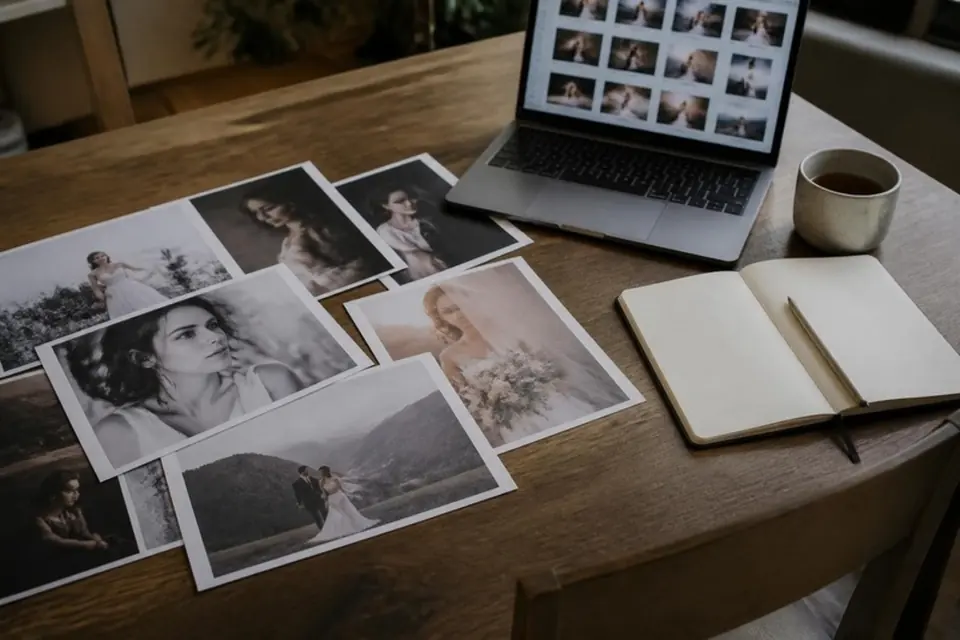
Choosing the right professional photographer can feel overwhelming, whether you're planning a wedding, updating your business's branding, or capturing precious family moments. With countless talented photographers out there, finding the perfect fit for your vision, budget, and style preferences requires careful consideration. This guide will equip you with essential tips and tricks to confidently navigate the selection process and ensure a truly remarkable experience.
Seven steps to finding the right photographer
1. Define Your Needs and Vision
Before you begin your search, clearly outline your photography needs. Ask yourself these key questions:
- What is the purpose of this photoshoot? (e.g., wedding, portrait, product, event)
- What style of photography best aligns with your vision? (e.g., traditional, candid, editorial, lifestyle)
- What is your budget for photography services?
- When and where will the photoshoot take place?
- Are there any specific shots or elements you want to capture?
Having a clear understanding of your requirements will help you narrow down your search and communicate effectively with potential photographers.
2. Explore Different Photography Styles
Photography is an art form with a wide spectrum of styles. Familiarizing yourself with different genres will help you identify what resonates with you. Here are a few popular photography styles:
- Traditional: Classic, posed shots with a focus on formal composition.
- Photojournalistic: Documentary-style approach, capturing candid moments and emotions.
- Fine Art: Artistic and conceptual, often with a focus on aesthetics and mood.
- Lifestyle: Natural and relatable, capturing everyday moments with a relaxed feel.
- Editorial: Polished and stylized, often used for magazines and commercial purposes.
Browse online portfolios and photography blogs to get a sense of different styles and find what speaks to you.
3. Seek Recommendations and Referrals
Word-of-mouth is incredibly powerful when it comes to finding reputable professionals. Reach out to friends, family, colleagues, or even wedding planners for recommendations. Personal experiences and referrals can offer valuable insights into a photographer's work ethic, communication style, and overall client experience.
4. Utilize Online Resources and Directories
Online platforms provide a vast pool of talented photographers. Popular resources include:
- Social Media: Instagram, Facebook, and Pinterest are great for discovering photographers and browsing their portfolios.
- Online Directories: Websites like Fearless Photographers, Junebug Weddings, and WeddingWire specialize in wedding photography, while platforms like The Knot and Carats & Cake offer broader vendor listings.
- Local Search Engines: Use Google, Yelp, or other search engines to find photographers in your area. Refine your search by including keywords related to your needs, like wedding photographer near me or portrait photographer [city name].
5. Review Portfolios Carefully
A photographer's portfolio is a window into their skills and style. Take your time to thoroughly review their work, paying attention to these factors:
- Consistency: Is the photographer's style consistent across different shoots and lighting conditions?
- Technical Skills: Assess the quality of the images, including composition, lighting, and editing.
- Creativity: Do the images showcase originality and a unique perspective?
- Emotional Connection: Do the photos evoke emotions or tell a story?
- Relevance to Your Needs: Does the photographer have experience shooting the type of project you envision?
6. Schedule Consultations
Once you've compiled a shortlist of potential photographers, schedule consultations with your top choices. This is an opportunity to:
- Discuss Your Vision: Share your ideas, expectations, and any specific shots you have in mind.
- Assess Personality and Communication: Gauge the photographer's personality and communication style to ensure a comfortable and collaborative working relationship.
- Inquire About Packages and Pricing: Understand the photographer's rates, packages, and what's included in their services (e.g., editing, retouching, printing rights).
- Review Contracts and Policies: Carefully review the contract, paying close attention to payment terms, cancellation policies, and image usage rights.
7. Trust Your Instincts
Choosing a photographer is a personal decision. Trust your gut feeling and choose someone whose work you connect with, who understands your vision, and who makes you feel comfortable and confident.
Additional Tips for Specific Photography Needs
Wedding Photography
- Look for photographers specializing in weddings and familiar with your chosen venue.
- Inquire about their approach to capturing key moments throughout the day.
- View full wedding galleries to assess their consistency and ability to tell a cohesive story.
Portrait Photography
- Consider the photographer's experience working with subjects similar to yours (e.g., families, children, couples).
- Communicate your desired style and any preferences regarding posing or location.
- Discuss retouching options and ensure they align with your expectations.
Commercial Photography
- Review the photographer's portfolio for relevant experience in your industry.
- Discuss your brand identity and how the photos will be used for marketing purposes.
- Clearly outline your budget and timeline expectations.
Contracts and what to get in writing
- Date, times, locations and the number of hours of coverage.
- What is delivered: number of edited images, format, delivery timeline and how long the gallery stays online.
- Usage rights — personal printing for families; commercial licensing for businesses.
- Deposit, payment schedule, cancellation and rescheduling terms.
- What happens if the photographer cannot attend.
Red flags
- A portfolio that contains only a few images, or none in your type of photography.
- Unwillingness to show full galleries from a single session, rather than only highlights.
- No written contract.
- Pressure to pay in full immediately.
- Vague answers about delivery times or backups.
Once you have booked, use our photoshoot preparation guide to get ready.